
Exploring SPRAVATO®: A Breakthrough Treatment for Depression
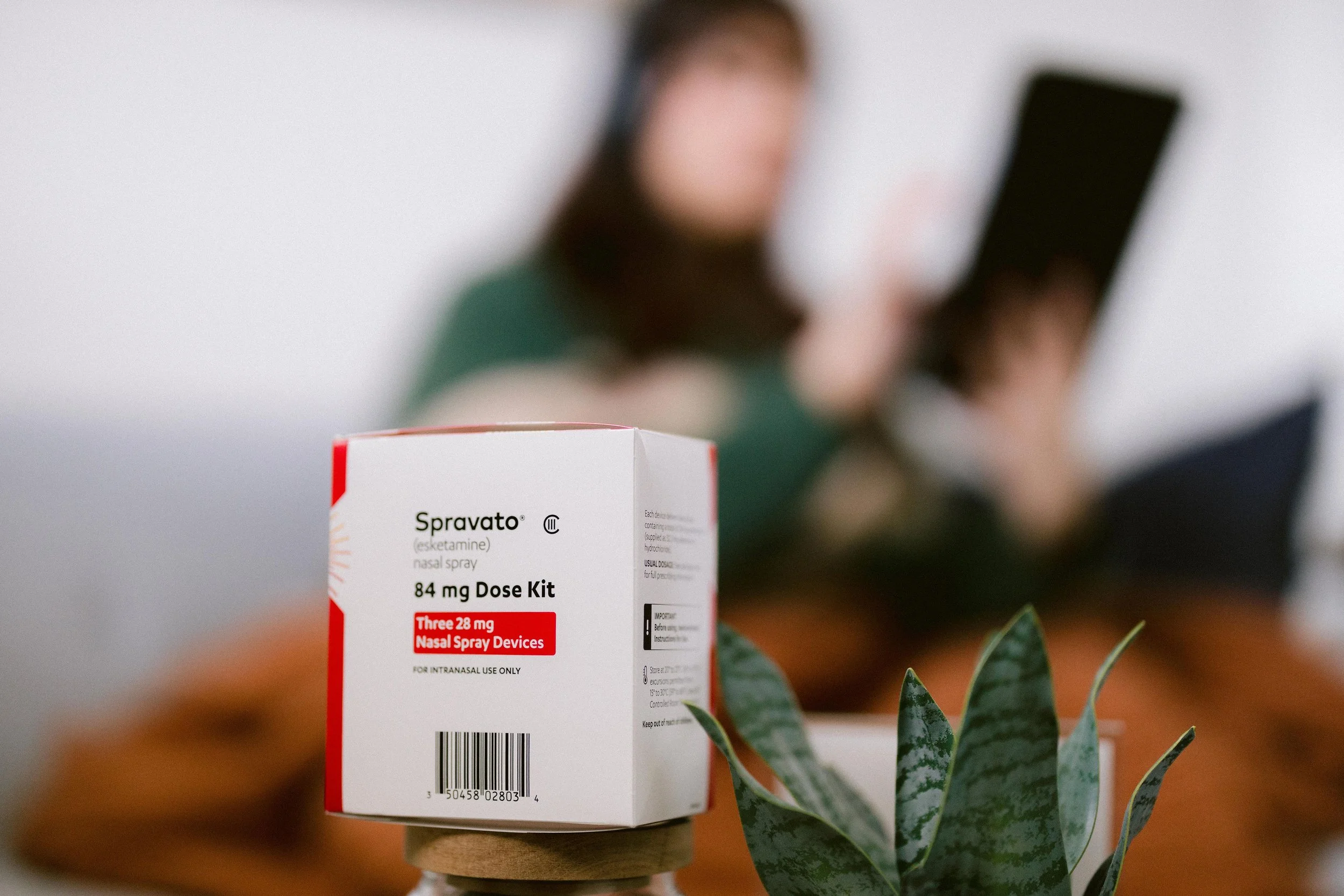
Exploring SPRAVATO®: A Breakthrough Treatment for Depression
September 9
Discover how SPRAVATO® offers hope for those struggling with treatment-resistant depression. Explore its benefits and considerations in our detailed article.

SPRAVATO® (Esketamine): A Comprehensive Guide for Patients
Key Takeaways
SPRAVATO® is an FDA-approved esketamine nasal spray, used for treatment resistant depression in adults
It works differently than traditional antidepressants by blocking NMDA receptors in the brain and can show rapid effects within 24 hours
Only available through certified healthcare facilities due to safety requirements including 2-hour monitoring after each dose
Patients with a history of bipolar disorder or other mental illnesses require careful evaluation due to increased risk of suicidal thoughts.
Approved for adults with major depressive disorder who haven’t responded to at least two oral antidepressants
Common side effects include dissociation, dizziness, and nausea, which typically resolve on the same day as treatment
For adults struggling with treatment resistant depression, finding effective relief can feel like an endless journey. When traditional oral antidepressants fail to provide adequate symptom improvement, SPRAVATO® offers new hope through an innovative approach to treating depressive symptoms in adults.
Unlike conventional antidepressants that can take weeks to show results, this breakthrough esketamine nasal spray can provide rapid relief for patients who have tried multiple medications without success. Understanding what SPRAVATO® is, how it works, and what to expect during treatment can help you make informed decisions about your mental health care.

What is SPRAVATO® (esketamine nasal spray)?
SPRAVATO® is the brand name for esketamine nasal spray, approved by the FDA in 2019 as a groundbreaking treatment for adults with treatment resistant depression (TRD). This medication represents the first and only nasal spray antidepressant that can be used alone or in conjunction with an oral antidepressant to treat depression.
The active ingredient, esketamine, is derived from a drug called ketamine and is specifically the S-enantiomer of this compound. As a Schedule III controlled substance, SPRAVATO® requires careful handling and administration due to its potential for drug abuse, misuse, or dependence, and the need for intensive monitoring during treatment.
Since its approval, SPRAVATO® has been made available in over 77 countries and has been administered to more than 140,000 patients worldwide. This extensive real-world experience has provided valuable data about its effectiveness and safety profile in treating depressive symptoms across diverse patient populations and a variety of mental illnesses beyond just depression.
Janssen Pharmaceuticals developed SPRAVATO® as part of ongoing efforts to provide new treatment options for patients who haven’t found relief with conventional antidepressant medications. The development process included extensive clinical studies involving thousands of participants to establish its safety and effectiveness. These studies included both patients with depressive disorders and healthy volunteers to assess safety and pharmacological effects.
Who is SPRAVATO® for?
SPRAVATO® is specifically approved for two distinct groups of adults experiencing major depressive disorder (MDD). The first group includes patients with treatment resistant depression who have not responded adequately to at least two different oral antidepressants taken at appropriate doses for sufficient time periods.
Adults with treatment resistant depression represent approximately one-third of all individuals with major depression. These patients continue to experience significant depression symptoms despite trying multiple conventional antidepressant medications, leaving them with limited treatment options and ongoing functional impairment.
The second approved group includes adults with major depressive disorder experiencing acute suicidal ideation or behavior. For these patients, SPRAVATO® may be prescribed in conjunction with an oral antidepressant as part of comprehensive crisis intervention and ongoing treatment planning.
Careful assessment is also important for patients with untreated depression to ensure appropriate monitoring and management, as these individuals may be at increased risk for adverse effects such as sedation, dissociation, and blood pressure changes when starting SPRAVATO®.
Patients treated with SPRAVATO® typically have exhausted other therapeutic options and continue to struggle with symptoms that significantly impact their daily functioning, relationships, and quality of life. The medication provides a valuable alternative for those who have experienced an inadequate response to traditional treatments.
However, SPRAVATO® is not approved for use in patients under 18 years of age. Young adults and older patients must meet specific criteria and undergo thorough evaluation by healthcare providers before beginning treatment.
Who Should Not Use SPRAVATO®
Several important medical conditions preclude the use of SPRAVATO® due to serious risk considerations. Patients with uncontrolled high blood pressure or aneurysmal vascular disease should not receive this treatment due to the medication’s effects on cardiovascular function. A history of bipolar disorder or mania requires special consideration, as these conditions increase the risk of adverse psychiatric effects, including suicidal thoughts, when using antidepressants such as esketamine.
Individuals with recent stroke, brain injury, or certain heart valve disease conditions are also not appropriate candidates for Spravato therapy. The medication can cause temporary increases in blood pressure and may pose serious adverse outcomes for patients with compromised cardiovascular or cerebrovascular systems.
Patients with a history of intracerebral hemorrhage, increased intracranial pressure, or abdominal aorta conditions require careful evaluation and are typically not considered suitable for treatment. These conditions may increase the risk of serious complications during or after treatment sessions.
Pregnant or breastfeeding women face special considerations due to potential risks to the fetus or infant. Healthcare providers must carefully weigh potential benefits against risks, and patients should discuss family planning with their treatment team. A national pregnancy registry exists to track outcomes in women exposed to Spravato during pregnancy.
Additional contraindications include certain blood vessel disease conditions and abnormal connection patterns in cardiac anatomy that could be affected by the medication’s cardiovascular effects. Long-term use of esketamine has been associated with urinary tract conditions such as ulcerative or interstitial cystitis, so patients should be monitored for urinary symptoms during treatment. Comprehensive medical evaluation helps identify patients who should explore alternative treatment approaches.

How Does SPRAVATO® Work?
SPRAVATO® operates through a fundamentally different mechanism compared to conventional antidepressant medications. While traditional oral antidepressants primarily target serotonin, dopamine, or norepinephrine systems, esketamine acts as a non-competitive NMDA (N-methyl-D-aspartate) receptor antagonist in the central nervous system.
The medication specifically targets glutamate pathways in the brain, which play crucial roles in synaptic plasticity, learning, and memory formation. By blocking NMDA receptors, Spravato disinhibits cortical GABA interneurons and increases activity in the prefrontal cortex, areas critical for mood regulation and cognitive functioning.
This unique mechanism activates the mTORC1 signaling pathway, which promotes synaptogenesis and synaptic plasticity - essentially helping the brain form new neural connections and restore healthy communication patterns between brain regions affected by depression. This process may explain why patients can experience rapid improvement in depressive symptoms, sometimes within 24 hours of administration.
Unlike other antidepressants that may take 4-6 weeks to show therapeutic effects, Spravato’s glutamate-based mechanism allows for much faster onset of action. This rapid response can be particularly valuable for patients experiencing severe depression symptoms or acute suicidal ideation requiring urgent intervention.
The medication’s metabolism produces (S)-norketamine, an active metabolite that contributes to therapeutic effects and may help sustain antidepressant benefits between treatment sessions. This pharmacological profile supports both immediate symptom relief and longer-term maintenance of mood stability.

Administration and Dosage
Esketamine nasal spray is administered exclusively in a healthcare setting, such as a medical office or clinic, under the direct supervision of a certified healthcare provider. This ensures that patients receive the medication safely and are closely monitored for any potential side effects or serious adverse outcomes.
For adults with treatment resistant depression (TRD), the recommended starting dosage is either 56 mg or 84 mg, administered twice weekly during the first four weeks. After this induction phase, the maintenance phase typically involves once-weekly or every-other-week treatments, depending on how well depressive symptoms are controlled. For patients with major depressive disorder (MDD) experiencing acute suicidal ideation, the standard dosage is 84 mg twice weekly for up to four weeks, always in conjunction with an oral antidepressant.
Before each treatment session, patients are advised not to eat for at least two hours and to avoid drinking liquids for at least 30 minutes. The esketamine nasal spray device is designed for ease of use, delivering one spray per nostril per device. Visual indicators on the device help both patients and healthcare providers track the number of sprays administered during each session.
It is essential to follow the treatment schedule exactly as prescribed by your healthcare provider. If you miss a scheduled session, contact your provider immediately to reschedule. If you notice a worsening of depression symptoms after a missed dose, your provider may need to adjust your treatment plan to ensure you continue to receive the full benefit of esketamine therapy.
Esketamine nasal spray is most often used in conjunction with an oral antidepressant to help treat depressive symptoms in adults who have not responded to conventional antidepressants. Blood pressure is carefully monitored before and after each administration, as esketamine can cause temporary increases in blood pressure. Patients with a history of high blood pressure, heart valve disease, or aneurysmal vascular disease will be thoroughly evaluated before starting treatment to minimize the risk of complications.
Clinical trials have shown that esketamine nasal spray can significantly reduce depressive symptoms in patients with TRD and MDD, offering hope for those who have not found relief with other treatments. However, it is important to weigh these potential benefits against the risks, which can include respiratory depression, chest pain, trouble breathing, sudden severe headache, and the potential for abuse.
To ensure patient safety, esketamine therapy is only available through a restricted program called the SPRAVATO® Risk Evaluation and Mitigation Strategy (REMS). This program requires healthcare providers to be specially certified and ensures that all patients are monitored for at least two hours after each dose for any signs of serious adverse outcomes. After treatment, patients must arrange for a caregiver or family member to drive them home, and should not drive or operate machinery until after a restful sleep the following day.
Esketamine nasal spray is not recommended for individuals with a history of substance abuse, and is not advised for women who are pregnant or breastfeeding. Women exposed to esketamine during pregnancy should be enrolled in the National Pregnancy Registry for Antidepressants to help monitor outcomes and ensure the safety of both mother and child.
In summary, esketamine nasal spray offers a valuable treatment option for adults with treatment resistant depression and major depressive disorder who have not responded to conventional antidepressants. By following the recommended administration and dosage guidelines, and working closely with your healthcare provider, you can maximize the potential benefits of this innovative therapy while minimizing risks.
Safety Requirements and Blood Pressure Monitoring
Due to the potential for serious adverse outcomes resulting from sedation and dissociation, SPRAVATO® must be administered in certified healthcare facilities under direct medical supervision. The restricted program ensures that only qualified healthcare professionals in appropriate healthcare settings can provide this treatment.
Patients require continuous monitoring for at least 2 hours after each dose administration. This monitoring period allows healthcare providers to observe for side effects such as dissociation, sedation, respiratory depression, and blood pressure changes that typically peak within 40 minutes post-dose.
Blood pressure monitoring before treatment and throughout the 2-hour post-dose period is mandatory due to SPRAVATO®’s tendency to cause temporary increases in blood pressure. Patients with pre-existing cardiovascular conditions require particularly careful monitoring to prevent serious complications.
Pulse oximetry monitoring helps detect any breathing problems or respiratory arrest that could occur during treatment. Healthcare providers maintain emergency equipment and protocols to address any respiratory depression or other medical emergencies that might arise during treatment sessions.
Following each treatment, patients cannot drive or operate machinery until the day after treatment following restful sleep. This safety requirement reflects the medication’s effects on cognitive functioning and reaction times during the hours immediately following administration.
Arrangement for transportation home after each treatment session is required, as patients may experience sedation, dizziness, or dissociation that impairs their ability to safely navigate traffic or public transportation. A caregiver or family member should accompany patients to and from treatment appointments when possible.
Common Side Effects
The most frequently reported side effect of SPRAVATO® is dissociation, occurring in 61-84% of patients treated in clinical trials. Dissociation involves feeling disconnected from thoughts, feelings, or surroundings, and while concerning to experience, typically resolves within hours of treatment.
Dizziness, nausea, and sedation are also frequently reported side effects that patients should anticipate during treatment sessions. These effects usually begin shortly after nasal spray administration and gradually improve throughout the monitoring period.
Increased blood pressure represents another common reaction, typically peaking around 40 minutes post-dose before returning toward baseline levels. Healthcare providers closely monitor blood pressure changes and may postpone treatment if readings become dangerously elevated.
Additional common side effects include headache, anxiety, vertigo, and feeling drunk or euphoric during the hours following treatment. Some patients report a sense of floating or altered time perception as part of the dissociative experience.
Vomiting, lethargy, and hypoesthesia (reduced sensation) may occur in some patients, though these effects are generally less common than dissociation and dizziness. Most side effects occur shortly after dosing and typically resolve on the same day as treatment.
Patients with a history of mental illness should be closely monitored for new or worsening suicidal thoughts, as esketamine treatment may increase the risk of suicidal ideation or behaviors, especially in those with depression or other mental health conditions. Monitoring for these changes is an important part of safety protocols during treatment.
The intensity and duration of side effects often decrease over time as patients become accustomed to the medication. Healthcare providers work closely with patients to manage side effects and adjust treatment approaches as needed to optimize comfort and safety.

Treatment Process and What to Expect
SPRAVATO® treatment typically follows a structured schedule divided into induction and maintenance phases. The induction phase usually involves twice-weekly treatments for the first month, allowing patients to establish therapeutic levels and assess their individual response patterns.
During the maintenance phase, treatment frequency may be reduced to weekly or bi-weekly sessions based on individual response and symptom stability. This flexible treatment schedule allows healthcare providers to optimize dosing frequency while maintaining therapeutic benefits.
Each treatment session includes several key components designed to ensure safety and effectiveness. Patients first undergo pre-dose assessment including vital sign measurement, mood evaluation, and review of any concerns or side effects from previous sessions.
The nasal spray device administration process involves patients self-administering the medication under direct healthcare provider supervision. Proper technique ensures optimal medication absorption while minimizing waste or incorrect dosing.
The mandatory 2-hour monitoring period allows healthcare professionals to track vital signs, assess side effects, and ensure patient safety before discharge. Patients typically remain in comfortable outpatient healthcare settings during this observation time.
Long-term studies demonstrate sustained improvement over 48 weeks with continued treatment, supporting the medication’s effectiveness for maintenance therapy. The treatment schedule adherence is crucial for optimal outcomes, as irregular dosing may compromise therapeutic benefits.
Effectiveness and Response
Clinical trials consistently demonstrate significant improvement in depression symptoms compared to placebo nasal spray plus antidepressant combinations. These clinical studies involved thousands of participants with treatment resistant patients who had failed to respond to multiple previous medications.
Continued esketamine treatment reduces relapse risk by 51-70% compared to stopping treatment and switching to placebo. This substantial risk reduction highlights the importance of ongoing maintenance therapy for sustained symptom improvement.
The number needed to treat (NNT) is approximately 6-8 for acute phase treatment, meaning that for every 6-8 patients treated, one additional patient will experience significant benefit compared to placebo. This represents a clinically meaningful treatment effect size.
Some patients may experience improvement as early as 4 hours after administration, though most notice meaningful changes within 24 hours of their first or second treatment session. This rapid onset distinguishes SPRAVATO® from conventional antidepressants requiring weeks to months for therapeutic effects.
Post hoc analysis of clinical trial data reveals that response rates improve with continued treatment, suggesting that patients who don’t initially respond may still benefit from ongoing therapy. Healthcare providers typically recommend completing at least 4-6 treatment sessions before evaluating overall effectiveness.
Real-world effectiveness data from medical offices and medical practices confirms that clinical trial results translate well to routine clinical care, with many patients experiencing substantial improvement in both depressive symptoms and overall functioning.

Frequently Asked Questions
How long does it take for SPRAVATO® to work?
Unlike traditional antidepressants that may take 4-6 weeks to show effects, SPRAVATO® can demonstrate rapid improvement within 24 hours of administration. Some patients experience symptom relief as early as 4 hours post-dose, though individual response times vary. The medication’s unique mechanism targeting glutamate receptors rather than serotonin allows for this accelerated timeline compared to conventional antidepressant medications.
How often will I need SPRAVATO® treatments?
During the induction phase, treatments are typically scheduled twice weekly for the first month to establish therapeutic levels. The maintenance phase may involve weekly or bi-weekly sessions depending on your individual response and symptom stability. Your healthcare provider will work with you to determine the optimal treatment schedule based on your progress and any side effects you experience.
Can I take SPRAVATO® with my current oral antidepressant medications?
Yes, SPRAVATO® is frequently used in conjunction with an oral antidepressant as part of comprehensive depression treatment. However, you must inform your healthcare provider about all medications you’re taking, especially CNS depressants, psychostimulants, or MAOIs, as these may require special monitoring or dosage adjustments. Your treatment team will review all your medications to ensure safe combination therapy.
What should I do if I miss a scheduled SPRAVATO® treatment?
Contact your healthcare provider immediately to reschedule your missed treatment session. Maintaining consistent treatment schedule is important for optimal therapeutic outcomes, and missing treatments may affect your progress. Your provider may need to adjust your dose or treatment schedule to maintain effectiveness, particularly if you’ve missed multiple sessions during the induction phase.
Will my insurance cover SPRAVATO® treatments?
Coverage varies significantly by insurance plan and individual circumstances. Since SPRAVATO® received FDA approval for treatment resistant depression and acute suicidal ideation, many insurance plans do provide coverage, but prior authorization is typically required. Work with your healthcare team and insurance provider to understand coverage details, potential out-of-pocket costs, and any required documentation to support your treatment need. Some patients may qualify for manufacturer assistance programs to help with costs.
If you or a loved one are considering SPRAVATO® as a treatment option, don’t hesitate to reach out to Acacia Clinics. Our experienced healthcare professionals are here to answer your questions, guide you through the treatment process, and provide personalized support every step of the way. Taking the first step toward better mental health is important, and at Acacia Clinics, you’re never alone on that journey.