
From the Battlefield to Brain Healing: How Veteran Russell Toll Found His Mission in Neuroscience and TMS

From the Battlefield to Brain Healing: How Veteran Russell Toll Found His Mission in Neuroscience and TMS
November 18
When U.S. Army officer Russell Toll enlisted in 2001, he anticipated a few years of service and the opportunity to travel abroad. However, the tragic events of September 11 changed everything, shifting not only the nation’s trajectory but also his own career path into a lifelong mission to understand and heal the invisible wounds of war. This article explores how Toll’s journey from combat to neuroscience highlights the transformative potential of transcranial magnetic stimulation (TMS) in addressing veterans mental health challenges.
Service and the Hidden Impact of Combat
After graduating from West Point, Russell Toll deployed to Iraq in 2006 as a tank commander during one of the most intense phases of the war. For 14 months, his unit operated in the area known by soldiers as the “Triangle of Death,” where daily improvised explosive device (IED) threats and sustained combat created relentless stress. The psychological and emotional toll of this experience was profound—not only for Toll but for countless veterans returning from similar deployments.
“You can’t just step off a plane and go back to normal,” Toll explains. “The stress, the loss, the moral weight—it stays with you.” This sentiment captures the deep and often invisible mental health conditions many veterans face, including posttraumatic stress disorder (PTSD), depression, and traumatic brain injury. Unfortunately, the transition from combat to civilian life often reveals significant gaps in health care, particularly in mental health treatment options. Many veterans rely on antidepressant medication that, while helpful for some, may not fully address the underlying changes in brain activity caused by trauma.
From Military Service to Mental Health Research
Driven by a desire to create real solutions for veterans struggling with mental illness, Toll pursued studies in neuroscience and engineering at Stanford University. His personal experience gave him a unique perspective on the challenges veterans face and underscored the need for evidence-based care that targets brain function directly.
At the Palo Alto VA, Toll conducted pioneering research combining transcranial magnetic stimulation (TMS) and EEG brain mapping to better understand how trauma disrupts brain circuits. “We used TMS to study the brain’s communication patterns,” he explains. “It gave us insight into how we might restore healthy brain activity in veterans with PTSD and depression.” This research laid the groundwork for innovative treatment approaches using brain stimulation technologies to improve mental health outcomes.
TMS: A New Approach to Healing for Veterans
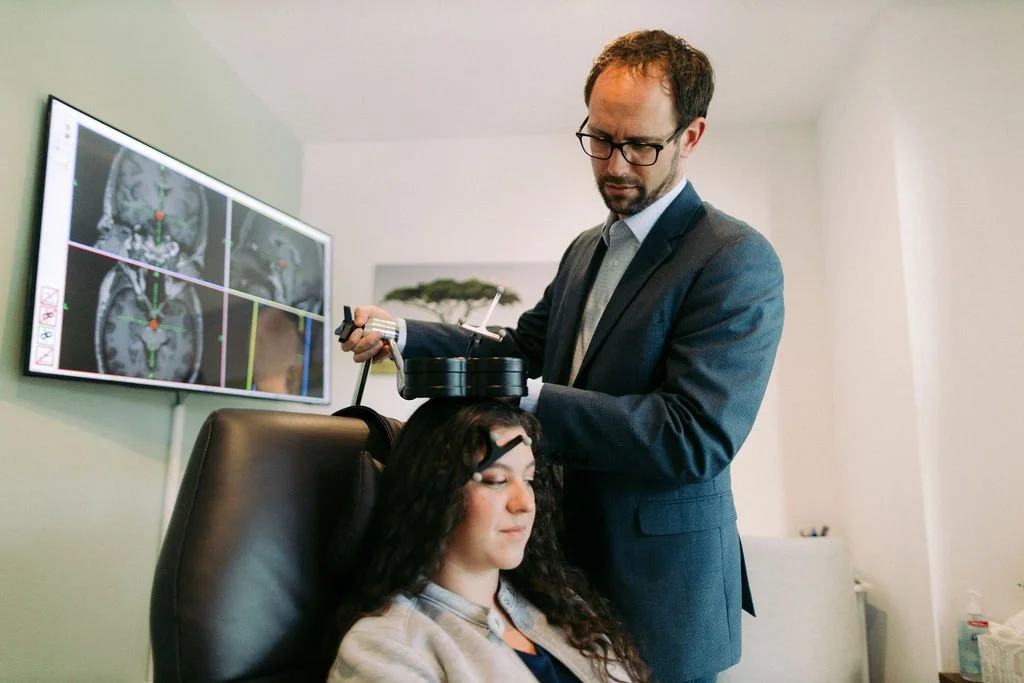
Transcranial magnetic stimulation (TMS) is a noninvasive, FDA-approved treatment that uses magnetic pulses generated by an electromagnetic coil—called a TMS coil—to stimulate nerve cells in specific brain regions involved in mood regulation, such as the motor cortex. Unlike invasive procedures that require implanted electrical devices or deep brain stimulators, TMS therapy is performed in a treatment room without surgery and generally causes only mild side effects.
TMS treatment sessions involve placing the magnetic coil near the scalp, where a strong magnetic field produces brief pulses of magnetic energy. These pulses stimulate nerve cells, helping to normalize brain activity disrupted by conditions like major depressive disorder, treatment-resistant depression, and PTSD. This form of brain stimulation is often called repetitive transcranial magnetic stimulation (rTMS) because it delivers repeated pulses at specific pulse frequencies and stimulation parameters tailored to each patient’s motor threshold.
Clinical studies have demonstrated that TMS can significantly reduce depression symptoms and improve emotional regulation, focus, and overall mood. For veterans who have not responded well to antidepressant medication or other depression treatments such as electroconvulsive therapy (ECT) or vagus nerve stimulation, TMS offers a promising alternative. TMS is a noninvasive procedure without the need for surgery or implanted electrical devices.
At Acacia Clinics, veterans have access to both standard TMS and Accelerated TMS, a more intensive protocol delivering multiple treatment sessions per day over one week. This accelerated approach helps patients experience faster symptom relief without hospitalization or long-term medication use. Treatment plans are personalized, and ongoing treatment or maintenance rTMS sessions may be recommended to sustain improvements.
Accelerated TMS: How It Works and Its Benefits for Veterans
Accelerated TMS is an innovative protocol that condenses the traditional treatment timeline by delivering multiple TMS sessions in a single day, typically over the course of one week. While a standard rTMS treatment series usually involves daily sessions five times a week for 4 to 6 weeks, accelerated TMS allows for several sessions per day, resulting in a faster cumulative dose of magnetic pulses.
This approach benefits veterans by providing quicker symptom relief, which is crucial for those experiencing severe depression or PTSD symptoms that interfere with daily functioning. Accelerated TMS can reduce the overall treatment duration from several weeks to just days, making it more accessible for veterans who may face challenges attending frequent appointments over long periods. Additionally, the condensed schedule can improve adherence and reduce the disruption to work, family, or other responsibilities.
Clinical studies have demonstrated that accelerated TMS is both safe and effective, with similar or improved outcomes compared to traditional rTMS protocols. Veterans receiving accelerated TMS have reported significant reductions in depression symptoms and PTSD-related distress, along with improvements in emotional regulation and cognitive function.
TMS for PTSD: Targeting Brain Circuits Involved in Trauma
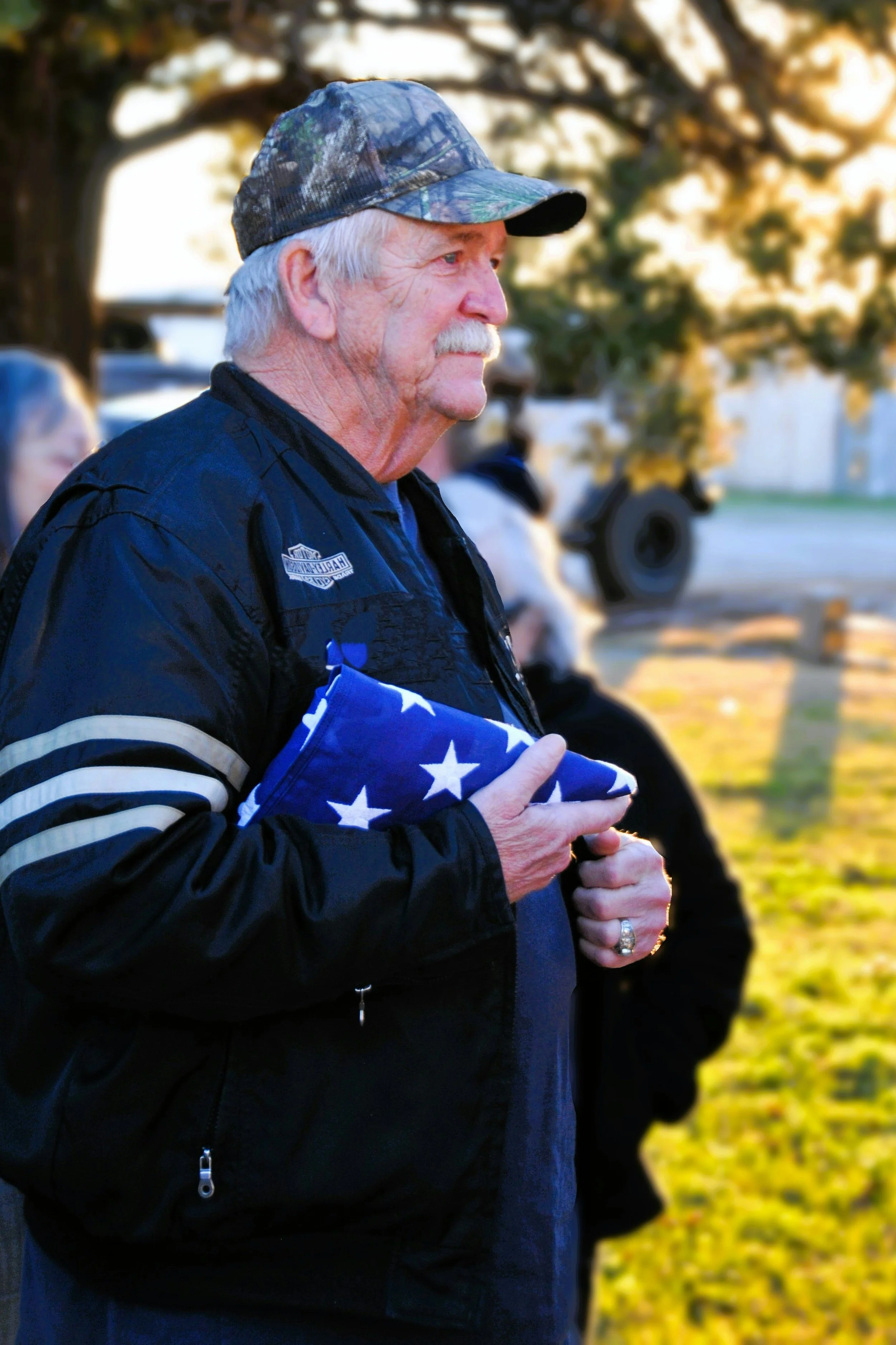
Posttraumatic stress disorder (PTSD) is a common and debilitating condition among veterans, characterized by intrusive memories, hyperarousal, and emotional numbness. TMS offers a promising treatment option by targeting brain regions involved in mood and fear regulation, such as the dorsolateral prefrontal cortex (DLPFC) and the medial prefrontal cortex.
By delivering repetitive magnetic pulses to these areas, TMS modulates dysfunctional neural circuits associated with PTSD symptoms. Research has shown that TMS can reduce hyperactivity in the amygdala—a brain region responsible for fear responses—and enhance the regulatory control of the prefrontal cortex, helping to alleviate symptoms like anxiety, irritability, and flashbacks.
Veterans with PTSD who have not responded adequately to psychotherapy or medication may find TMS to be a valuable alternative or adjunctive treatment. The noninvasive nature of TMS, combined with its favorable side effect profile, makes it an appealing option for those seeking relief without the risks associated with invasive procedures or systemic medications.
At Acacia Clinics, veterans have access to both standard TMS and accelerated TMS protocols tailored to their individual needs. Treatment plans are personalized, and ongoing treatment or maintenance rTMS sessions may be recommended to sustain improvements and prevent relapse.
By harnessing the power of TMS and accelerated TMS, veterans can experience faster, more effective relief from the neuropsychiatric disorders that impact their quality of life, supporting their journey toward healing and resilience.
Compassion and Neuroscience: A Shared Mission
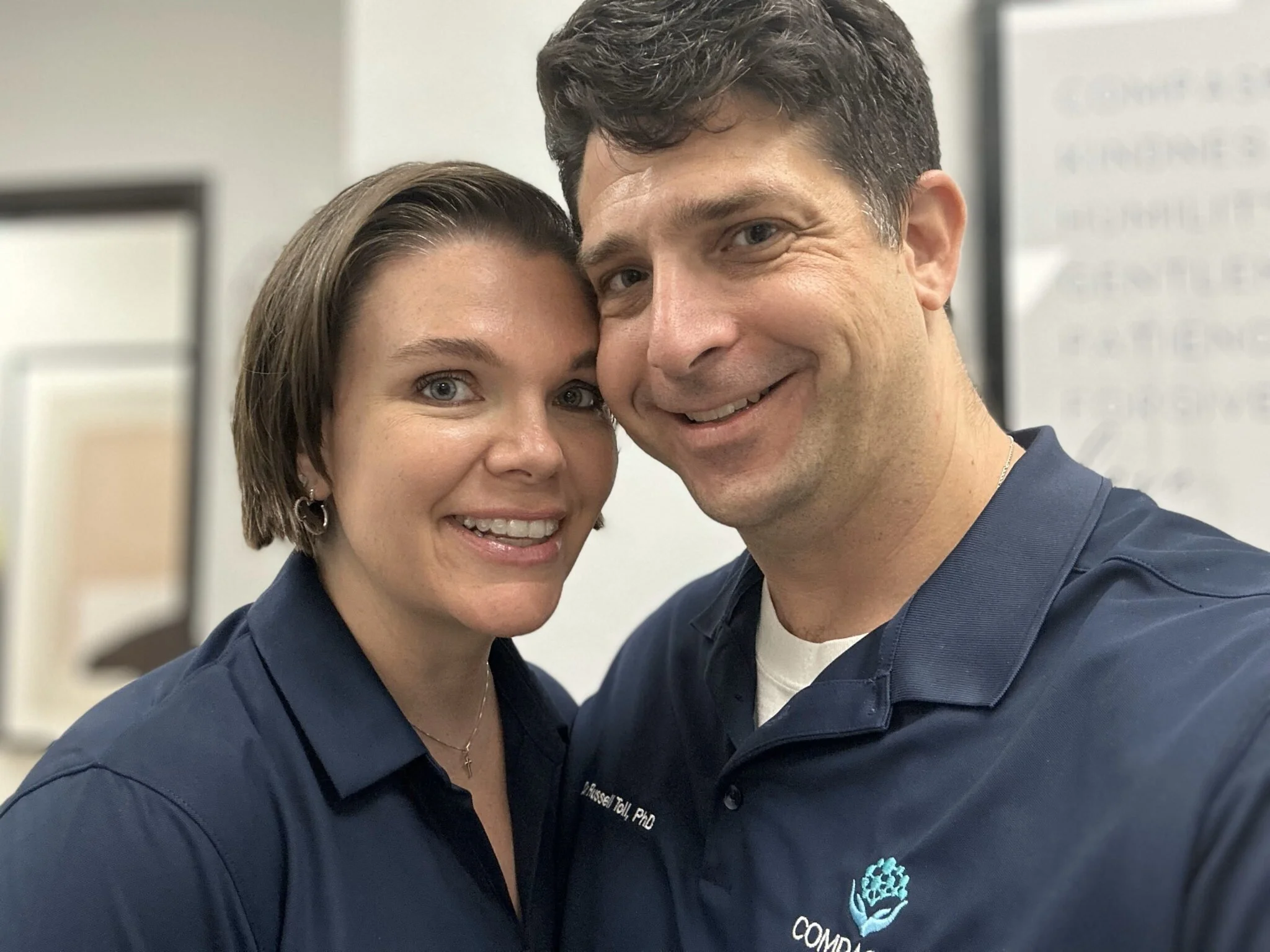
Russell Toll’s journey eventually led him to co-found Compassion Neuroscience, a nonprofit organization dedicated to providing brain-based mental health care to veterans and Gold Star families. Their guiding principle—Heal with compassion. Heal with neuroscience.—reflects a commitment to integrating cutting-edge neuroscience with empathetic care.
“When I see a veteran reconnect with their family or rediscover joy after TMS, that’s the mission continuing,” Toll says. This compassionate approach aligns closely with Acacia Clinics’ mission to make innovative treatments like TMS therapy accessible to those who need them most, particularly veterans facing a mental health crisis related to depression, PTSD, or traumatic brain injury.
Supporting Veterans Through Innovation and Care
Acacia Clinics proudly collaborates with leaders like Russell Toll to advance mental health care tailored to veterans. By combining evidence-based brain stimulation technologies with compassionate support, Acacia Clinics helps veterans reduce symptoms, improve quality of life, and regain purpose after service.
This Veterans Day, we honor the resilience and service of veterans like Russell Toll and reaffirm our commitment to helping every veteran heal and thrive through innovative mental health treatments. If you or a loved one is struggling, resources such as the Veterans Crisis Line are available to provide immediate support.
Learn More:
To explore TMS treatment for veterans or determine if Accelerated TMS is right for you, visit acaciaclinics.com/veterans or contact us to schedule a free consultation.