
Post-Traumatic Stress Disorder (PTSD): Complete Guide to Symptoms, Treatment, and Recovery

Post-Traumatic Stress Disorder (PTSD): Complete Guide to Symptoms, Treatment, and Recovery
November 11
Post traumatic stress disorder represents one of the most significant mental health challenges of our time, affecting millions of people worldwide who have experienced traumatic events. Despite common misconceptions, ptsd is not a sign of weakness or character flaw—it’s a legitimate mental health condition that can develop after exposure to life-threatening situations.
Key Takeaways
PTSD affects approximately 3.5% of US adults annually and develops after exposure to life-threatening trauma like combat, sexual assault, or natural disasters
Four main symptom clusters include intrusive memories (flashbacks, nightmares), avoidance behaviors, negative mood changes, and heightened arousal lasting over one month
Evidence-based treatments like Cognitive Processing Therapy, Prolonged Exposure Therapy, and EMDR show 60-80% success rates in reducing symptoms
Veterans have 15-20% higher PTSD rates than civilians, with Iraq/Afghanistan veterans showing 11-20% prevalence compared to 3.5% in general population
Early intervention within 3 months of trauma exposure significantly improves outcomes and prevents chronic PTSD development
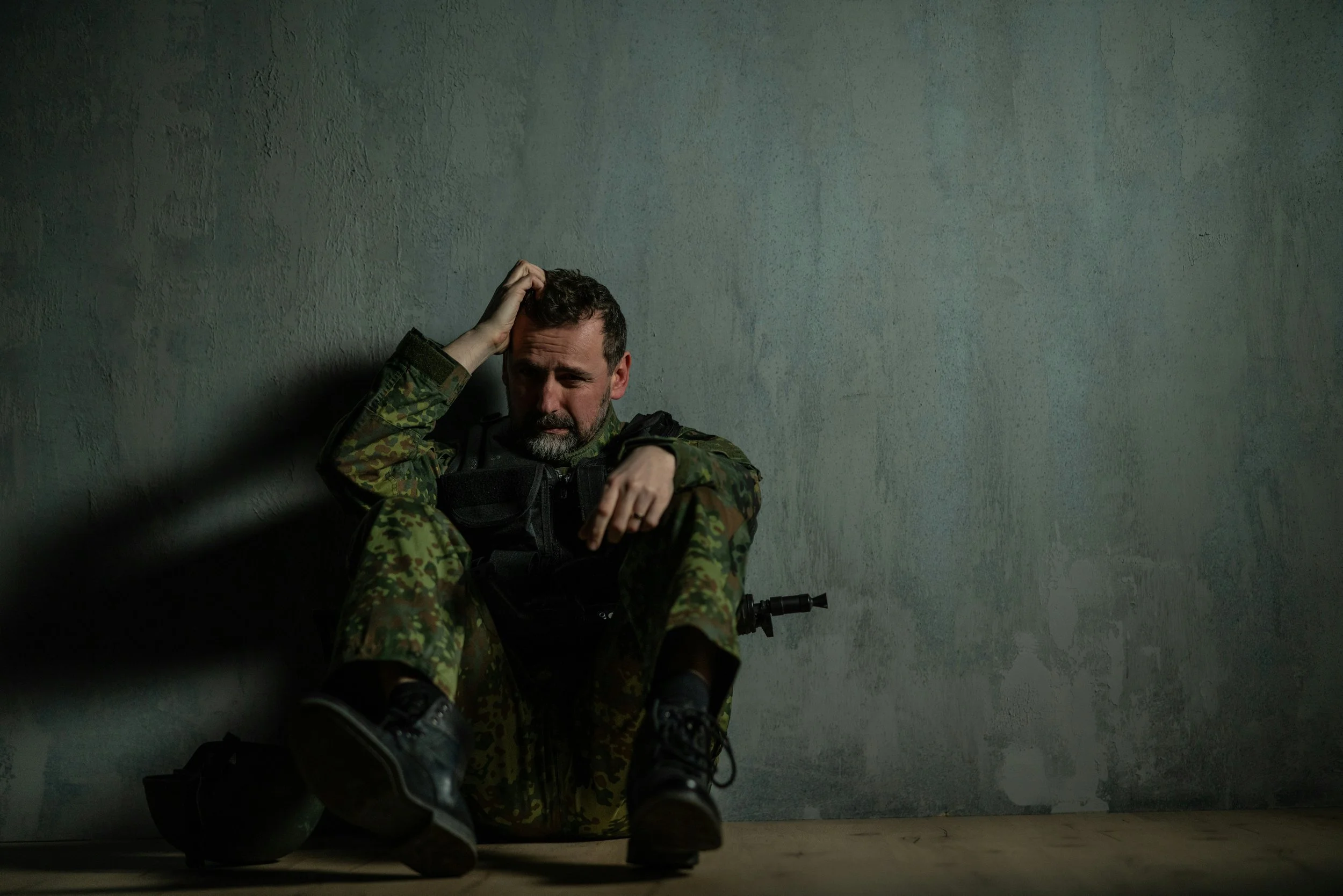
Post traumatic stress disorder represents one of the most significant mental health challenges of our time, affecting millions of people worldwide who have experienced traumatic events. Despite common misconceptions, ptsd is not a sign of weakness or character flaw—it’s a legitimate mental health condition that can develop after exposure to life-threatening situations.
Understanding PTSD is crucial because trauma touches nearly everyone’s life in some way. Whether through military service, accidents, violence, or natural disasters, approximately 61-80% of individuals will experience a traumatic event during their lifetime. While most people recover naturally, about 5-10% will develop ptsd, making it essential to recognize the signs and understand available treatment options.
The good news is that post traumatic stress disorder is highly treatable. With proper mental health care, 60-80% of people with ptsd show significant improvement. This comprehensive guide will help you understand everything about PTSD—from recognizing ptsd symptoms to navigating treatment options and supporting recovery.
What is Post-Traumatic Stress Disorder
Post traumatic stress disorder is a mental health condition that can develop after experiencing or witnessing a traumatic event. Unlike normal stress reactions that fade over time, ptsd involves persistent symptoms that significantly interfere with daily functioning and last longer than one month.
The recognition of PTSD as a distinct psychiatric disorder is relatively recent in medical history. The condition was first officially recognized in the Diagnostic and Statistical Manual of Mental Disorders third edition (DSM-III) in 1980, largely due to advocacy from Vietnam veterans and mental health professionals who observed consistent patterns of psychological distress following combat exposure.
Before this formal recognition, similar conditions were known by various names throughout history. During World War I, soldiers experiencing these symptoms were diagnosed with “shell shock,” while World War II veterans were said to have “battle fatigue” or “combat neurosis.” These earlier terms focused primarily on military personnel, but the modern understanding of posttraumatic stress disorder acknowledges that trauma can affect anyone, regardless of background or occupation.

The evolution of PTSD classification continued with the DSM-5 in 2013, when posttraumatic stress disorder ptsd was moved from the anxiety disorders category to a new classification called “Trauma and Stressor-Related Disorders.” This change reflected growing understanding that while anxiety is a component of ptsd, the condition involves complex alterations in multiple brain systems affecting memory, mood, and stress response.
The difference between normal stress reactions and ptsd lies in duration, intensity, and functional impairment. Most people experience some distress after traumatic events, including difficulty sleeping, intrusive thoughts, or emotional numbness. These reactions typically diminish within a few weeks as natural recovery processes take place. However, when these symptoms persist beyond 30 days and significantly disrupt work, relationships, or daily activities, a ptsd diagnosis may be appropriate.
Understanding that posttraumatic stress disorder ptsd is a medical condition—not a personal failing—is crucial for reducing stigma and encouraging treatment seeking behavior. The American Psychiatric Association emphasizes that developing ptsd after severe trauma is a normal response to abnormal circumstances, affecting people across all demographics and backgrounds.
Advances in PTSD Treatment: Insights from Dr. David Carreon and Shan Siddiqi
Recent research led by our co-founder Dr. David Carreon, in collaboration with brain targeting specialist Shan Siddiqi, has shed new light on innovative approaches to treating PTSD by focusing on brain circuit modulation. Their study, published in 2023, emphasizes the importance of targeting specific neural pathways involved in fear processing and memory consolidation to improve treatment outcomes for PTSD patients.
Dr. Carreon and Siddiqi highlight that traditional therapies such as Cognitive Processing Therapy and Prolonged Exposure Therapy, while effective for many, may benefit from adjunctive interventions that address underlying neurobiological mechanisms. Their research supports the integration of neurostimulation techniques and pharmacological agents aimed at modulating brain regions like the amygdala, hippocampus, and prefrontal cortex, which are critical in the stress response and emotional regulation.
One promising avenue involves the use of transcranial magnetic stimulation (TMS) and deep brain stimulation (DBS) to recalibrate dysfunctional neural circuits implicated in PTSD. These approaches can potentially reduce intrusive memories, hyperarousal, and avoidance behaviors by restoring balance in brain activity.
Furthermore, Dr. Carreon and Siddiqi advocate for personalized treatment plans that combine psychotherapy with brain-targeted interventions, tailoring therapies to individual neurobiological profiles. This precision medicine approach aims to enhance recovery rates and reduce the chronicity of PTSD symptoms, particularly in military veterans and other high-risk populations.
Their work underscores the critical need for continued research into brain-based treatments that complement existing mental health services administration, ultimately fostering more effective mental health recovery for trauma survivors.

PTSD Symptoms and Warning Signs
Ptsd symptoms are organized into four distinct clusters according to DSM-5 criteria, each representing different ways trauma can impact psychological functioning. Understanding these symptom categories is essential for recognizing when professional mental health services may be needed.
The onset of ptsd symptoms varies considerably among individuals. Research shows that approximately 50% of people who develop ptsd experience symptoms within three months of the traumatic event. However, delayed-onset ptsd can emerge months or even years later, particularly when triggered by additional stressors or anniversary dates related to the original trauma.
For a ptsd diagnosis, symptoms must persist for more than a month and cause significant distress or impairment in important areas of functioning. The American Psychiatric Association requires that individuals experience symptoms from all four clusters, though the specific manifestation can vary greatly between people.
The severity and frequency of ptsd symptoms often fluctuate over time. Some individuals experience relatively stable symptoms, while others may have periods of improvement followed by symptom exacerbation, particularly during times of stress or when exposed to trauma reminders.
Intrusive Memories and Re-experiencing
Intrusive memories represent one of the most distressing aspects of posttraumatic stress disorder. These symptoms involve involuntary re-experiencing of the traumatic event in vivid, often overwhelming ways that feel as though the trauma is happening again in the present moment.
Flashbacks are perhaps the most well-known intrusive symptom, affecting a significant portion of people with ptsd. During a flashback, individuals may completely lose awareness of their current surroundings and feel transported back to the traumatic situation. These episodes can last minutes or hours and may include all sensory modalities—sight, sound, smell, touch, and taste—making them extremely realistic and terrifying.
Nightmares and trauma-related dreams affect 50-70% of individuals with posttraumatic stress disorder ptsd. These sleep disturbances often involve direct replays of the traumatic event or symbolic representations of the trauma. The recurring nature of these nightmares can lead to chronic sleep deprivation, which exacerbates other ptsd symptoms and impairs overall functioning.
Triggered memories occur when environmental cues reminiscent of the trauma—such as specific sounds, smells, locations, or anniversary dates—involuntarily activate trauma memories. For example, a car accident survivor might experience intense distress when hearing screeching brakes, or a combat veteran might react strongly to helicopter sounds. For those interested in the scientific study and treatment of conditions related to trauma, resources like the Acacia Research Center offer insights into mental health research and therapies. These triggers can occur without warning and may seem unrelated to casual observers.
Physical reactions during intrusive episodes are common and can include rapid heartbeat, sweating, nausea, muscle tension, or panic attacks. These physiological responses reflect the body’s activation of the fight-or-flight stress response as if the danger were currently present, even when the individual is objectively safe.
Avoidance Behaviors
Avoidance symptoms in ptsd involve deliberate efforts to avoid trauma-related stimuli, including thoughts, feelings, people, places, activities, or situations that serve as reminders of the traumatic event. While avoidance may provide temporary relief, it often maintains and exacerbates ptsd symptoms over time.
Situational avoidance is common among trauma survivors and can significantly impact daily functioning. A person who experienced a serious motor vehicle accident might avoid driving or being a passenger in cars, potentially limiting employment opportunities or social connections. Similarly, someone who survived a workplace shooting might be unable to return to work or similar environments.
Emotional avoidance involves efforts to avoid discussing the traumatic event or the emotional responses it generates. Individuals may change the subject when others bring up the trauma, refuse to participate in legal proceedings, or avoid mental health treatment. This pattern can strain relationships and prevent natural processing of traumatic experiences.
Media avoidance is frequently seen in people with posttraumatic stress disorder, particularly when news coverage or entertainment depicts similar traumatic events. Veterans might avoid war movies, assault survivors may skip news stories about violence, and disaster survivors might turn off weather reports during storm seasons.
Social withdrawal and isolation often develop as individuals with ptsd attempt to avoid situations where they might encounter trauma reminders or feel pressured to discuss their experiences. This can lead to progressive disconnection from support systems precisely when social connection is most beneficial for recovery.
Negative Changes in Thinking and Mood
Cognitive and mood alterations in ptsd involve persistent negative changes in thoughts and emotional states that represent a departure from pre-trauma functioning. These symptoms often include distorted beliefs about oneself, others, or the world that developed following the traumatic experience.
Negative self-beliefs are common in posttraumatic stress disorder ptsd and may include thoughts such as “I am permanently damaged,” “I am weak,” or “I should have done something different.” These cognitive distortions can contribute to depression symptoms, low self-esteem, and feelings of hopelessness about recovery.
Distorted blame patterns frequently emerge following trauma, with individuals either taking excessive responsibility for the traumatic event or its consequences, or alternatively, developing generalized distrust and blame toward others. Combat veterans might blame themselves for fellow soldiers’ deaths, while assault survivors might feel responsible for not preventing the attack.
Emotional numbness, or the inability to experience positive emotions such as happiness, satisfaction, love, or joy, affects many people with ptsd. This symptom can be particularly distressing for family members who may interpret emotional flatness as rejection or lack of caring, when it actually reflects trauma-related brain changes.
Memory problems specifically related to important aspects of the traumatic event are common in posttraumatic stress disorder. This is different from general memory difficulties and typically involves inability to recall specific details about what happened during the trauma, such as sequence of events, duration, or specific actions taken.
Persistent negative emotions including fear, horror, anger, guilt, or shame dominate the emotional landscape for many individuals with ptsd. These intense negative emotions may be present most of the time and can feel overwhelming or uncontrollable, contributing to other mental health problems such as depression.
Hyperarousal and Reactivity Changes
Hyperarousal symptoms reflect alterations in the brain’s stress response system, leading to chronic activation of fight-or-flight responses even when no actual danger is present. These symptoms can be exhausting and significantly impact quality of life.
Hypervigilance involves constantly scanning the environment for potential threats, leading to chronic tension and fatigue. Individuals with posttraumatic stress disorder ptsd may position themselves with their back to walls, constantly check exits, or become preoccupied with security measures that seem excessive to others.
Exaggerated startle response causes individuals to react more strongly than usual to unexpected sounds or movements. A door slamming, someone approaching from behind, or sudden loud noises can trigger intense fear responses that are disproportionate to the actual stimuli.
Sleep disturbances in ptsd extend beyond nightmares to include difficulty falling asleep, frequent awakening, and restless sleep. Many people with posttraumatic stress disorder report feeling unsafe when sleeping, leading to chronic sleep deprivation that affects cognitive functioning, emotional regulation, and physical health.
Irritability and angry outbursts may occur with little or no provocation and can strain relationships with family members, friends, and colleagues. These reactions often seem disproportionate to triggering situations and may be followed by feelings of guilt or confusion about the intensity of the response.
Concentration difficulties affecting work, school, or daily tasks are common in ptsd and can persist for weeks or months. These cognitive problems may include difficulty focusing on conversations, following written material, or completing tasks that were previously manageable.
Causes and Risk Factors
Post traumatic stress disorder develops following exposure to actual or threatened death, serious injury, or sexual violence. However, not everyone who experiences trauma will develop ptsd, indicating that multiple factors contribute to the disorder’s development beyond trauma exposure alone.
Understanding why some individuals develop posttraumatic stress disorder while others recover naturally remains an active area of research. Current evidence suggests that ptsd results from complex interactions between traumatic stressor characteristics, individual risk factors, and environmental influences during and after the traumatic event.
Approximately 20% of trauma survivors will develop ptsd, meaning that most people demonstrate remarkable resilience following even severe traumatic events. This statistic highlights that while trauma exposure is necessary for ptsd development, it is not sufficient—additional risk factors must be present for the disorder to emerge.
The timing and nature of intervention following trauma exposure can significantly influence whether someone will develop ptsd. Early social support, appropriate medical care, and timely mental health services can serve as protective factors that promote natural recovery processes.
High-Risk Traumatic Events
Different types of traumatic events carry varying levels of risk for developing posttraumatic stress disorder ptsd. Research has identified specific categories of trauma that are associated with higher rates of ptsd development.
Sexual violence, including rape and sexual assault, carries the highest risk for ptsd development, with approximately 49% of survivors developing the disorder. The interpersonal nature of sexual trauma, combined with societal stigma and self-blame, contributes to this elevated risk. Military sexual trauma affects both male and female service members and often occurs within trusted military communities, adding additional complexity to recovery.
Combat exposure affects 10-18% of military personnel, with rates varying based on deployment length, combat intensity, and multiple deployments. Iraq and Afghanistan war veterans show ptsd prevalence rates of 11-20%, significantly higher than the general population rate of 3.5%. Combat related ptsd often involves moral injury—psychological damage from perpetrating, witnessing, or failing to prevent acts that violate personal moral beliefs.
Serious injury from motor vehicle accidents, workplace incidents, or medical emergencies leads to ptsd in approximately 8-10% of survivors. Physical injuries that result in permanent disability or disfigurement carry higher ptsd risk, particularly when combined with intensive medical treatment or extended hospitalization.
Natural disasters such as hurricanes, earthquakes, floods, and wildfires can trigger ptsd, especially when they result in loss of life, property destruction, or community displacement. The unpredictable nature of natural disasters and their potential for widespread impact can overwhelm normal coping mechanisms.
Childhood physical abuse, sexual abuse, and severe neglect increase the risk of developing ptsd in adulthood by 3-4 times. Early trauma exposure during critical developmental periods can alter brain structure and function, creating vulnerability to additional mental health conditions throughout life.
Individual Risk Factors
Several individual characteristics and background factors influence the likelihood of developing posttraumatic stress disorder following trauma exposure. Understanding these risk factors can help identify individuals who may benefit from closer monitoring or preventive interventions.
Previous trauma exposure, particularly during childhood, represents one of the strongest predictors of ptsd development. Individuals with a history of multiple traumatic events show progressively higher rates of ptsd, suggesting a cumulative effect of trauma exposure on psychological resilience.
Family history of mental health conditions, including depression, anxiety disorders, or ptsd in biological relatives, increases vulnerability to developing ptsd. This genetic component suggests that inherited factors affecting stress response, neurotransmitter function, or emotional regulation may contribute to ptsd risk.
Lack of social support during and after traumatic events significantly increases ptsd risk. Individuals who are socially isolated, lack close relationships, or receive criticism rather than support from family members are more likely to develop chronic ptsd symptoms. Conversely, strong social support serves as a protective factor that promotes recovery.
High-risk occupations expose workers to repeated trauma and elevated ptsd rates. First responders, including police officers, firefighters, and emergency medical personnel, experience ptsd rates of 10-20% due to regular exposure to human suffering and life-threatening situations. Military personnel, healthcare workers, and journalists covering conflict zones also face occupational trauma exposure.
Pre-existing mental health conditions, particularly depression and anxiety disorders, increase vulnerability to ptsd development. These conditions may affect coping abilities, stress tolerance, or help-seeking behavior following trauma exposure.
Demographic factors also influence ptsd risk, with women showing approximately twice the lifetime prevalence of men (9.7% versus 3.6%). This gender difference may reflect varying types of trauma exposure, biological differences in stress response, or sociocultural factors affecting symptom expression and help-seeking behavior.

PTSD Diagnosis and Assessment
Professional ptsd diagnosis requires comprehensive evaluation by a licensed mental health professional who can conduct thorough clinical interviews and assess functional impairment. The diagnostic process involves multiple components to ensure accurate identification of posttraumatic stress disorder and rule out other mental health conditions.
DSM-5 criteria for ptsd diagnosis require exposure to actual or threatened death, serious injury, or sexual violence, either through direct experience, witnessing, learning about trauma to close family or friends, or repeated exposure through professional duties. Additionally, symptoms from all four symptom clusters must be present for at least one month and cause significant distress or functional impairment.
The diagnostic timeline is important in distinguishing ptsd from normal stress reactions. Acute stress disorder may be diagnosed when symptoms occur within one month of trauma exposure, while ptsd diagnosis requires symptoms persisting beyond 30 days. Some individuals develop delayed-onset ptsd, with symptoms emerging months or years after trauma exposure.
Functional impairment assessment involves examining how ptsd symptoms interfere with important areas of life, including work performance, interpersonal relationships, parenting abilities, educational pursuits, or daily functioning. This evaluation helps determine the severity of the condition and appropriate treatment intensity.
Differential diagnosis requires ruling out other mental health conditions that may share similar symptoms with ptsd, including depression, anxiety disorders, or substance abuse. Co-occurring conditions are common, with up to 80% of individuals with ptsd meeting criteria for additional psychiatric disorders.
Diagnostic Tools and Screenings
Mental health professionals use standardized assessment tools to support ptsd diagnosis and monitor treatment progress. These instruments help ensure systematic evaluation according to established criteria and facilitate research and quality improvement efforts.
The Clinician-Administered PTSD Scale (CAPS-5) represents the gold standard for ptsd assessment and is considered the most reliable diagnostic interview. This structured interview assesses the frequency and intensity of ptsd symptoms and typically takes 45-60 minutes to complete. The CAPS-5 provides detailed information about symptom onset, duration, and functional impact.
The PTSD Checklist for DSM-5 (PCL-5) is a widely used self-report questionnaire that allows individuals to rate the severity of their ptsd symptoms over the past month. Scores of 31 or higher indicate probable ptsd and warrant further clinical evaluation. The PCL-5 can be completed in 5-10 minutes and is useful for initial screening and progress monitoring.
The Primary Care PTSD Screen (PC-PTSD-5) serves as a brief five-question screening tool designed for use in primary care settings. This screen can identify individuals who may benefit from more comprehensive mental health assessment, though it cannot provide a definitive ptsd diagnosis.
Comprehensive trauma history assessment involves systematic evaluation of lifetime trauma exposure, as multiple traumas can complicate clinical presentation and treatment planning. This assessment helps identify patterns of trauma exposure and potential triggers for current symptoms.
Co-occurring condition assessment examines the presence of other mental health issues, including depression, anxiety disorders, substance abuse, or suicidal ideation. Given the high rates of comorbidity in ptsd, thorough evaluation of additional conditions is essential for comprehensive treatment planning.

Structured clinical interviews may also assess factors that influence treatment prognosis, including social support, coping skills, motivation for treatment, and previous therapy experiences. This information helps mental health professionals develop individualized treatment plans that address specific needs and circumstances.
Treatment Options for PTSD
Evidence-based treatments for posttraumatic stress disorder have demonstrated remarkable effectiveness, with 60-80% of individuals showing significant improvement in ptsd symptoms. The strongest research support exists for specific psychotherapy approaches, though medications can provide additional benefits for some individuals.
Treatment selection depends on multiple factors, including symptom severity, individual preferences, availability of trained therapists, and the presence of co-occurring mental health conditions. Most treatment guidelines recommend psychotherapy as the first-line intervention for ptsd, with medications typically reserved for cases where therapy alone is insufficient.
The duration of ptsd treatment varies based on individual needs and treatment approach, but most evidence-based therapies involve 12-20 sessions delivered over 3-6 months. Some individuals may require longer treatment, particularly when dealing with complex trauma or multiple co-occurring conditions.
Combination therapy involving both psychotherapy and medication is not consistently superior to psychotherapy alone for treating ptsd, according to major research studies. However, medications may be helpful for managing specific symptoms such as severe depression, insomnia, or anxiety that interfere with therapy participation.
Treatment outcomes are generally better when initiated earlier after trauma exposure, though effective treatment can be provided years or even decades after traumatic events. Factors associated with better outcomes include strong social support, absence of ongoing stressors, and motivation to engage in treatment.
Psychotherapy Approaches
Several psychotherapy approaches have demonstrated strong effectiveness for treating posttraumatic stress disorder ptsd through rigorous clinical trials. These therapies share common elements of trauma processing while using different techniques to help individuals overcome avoidance and develop new coping skills.
Cognitive Processing Therapy (CPT) helps patients examine and change trauma-related thoughts that maintain ptsd symptoms. This approach focuses on identifying problematic thinking patterns, such as self-blame or overgeneralized fear, and developing more balanced and accurate thoughts about the trauma and its meaning. CPT typically involves 12 sessions and includes written assignments to process trauma memories and emotions.
Prolonged Exposure Therapy gradually helps individuals confront trauma memories and avoided situations in a safe, therapeutic environment. This approach involves repeatedly discussing trauma memories in detail (imaginal exposure) and gradually approaching safe situations that have been avoided since the trauma (in vivo exposure). The therapy typically requires 10-15 sessions and has shown particularly strong effectiveness for ptsd related to single traumatic events.
Eye Movement Desensitization and Reprocessing (EMDR) uses bilateral stimulation, typically eye movements, while individuals recall traumatic memories. This approach appears to help the brain process traumatic memories more effectively, reducing their emotional intensity and associated distress. EMDR sessions focus on specific traumatic images, negative cognitions, and bodily sensations associated with trauma memories.
Trauma-Focused Cognitive Behavioral Therapy combines cognitive restructuring with exposure techniques to address both trauma-related thoughts and avoidance behaviors. This flexible approach can be adapted for different types of trauma and individual needs, making it widely applicable across diverse populations.
Group therapy approaches can provide additional benefits through peer support and shared experiences with other trauma survivors. Group formats may use any of the above approaches and can be particularly valuable for veterans, sexual assault survivors, or others who benefit from connecting with individuals who have experienced similar traumas.
Medication Options
Medications for ptsd primarily target symptoms such as depression, anxiety, and sleep disturbances, though they do not directly address core trauma-related symptoms like flashbacks or avoidance. The U.S. Food and Drug Administration has approved two medications specifically for ptsd treatment.
Sertraline (Zoloft) and Paroxetine (Paxil) are FDA-approved selective serotonin reuptake inhibitor (SSRI) antidepressants for treating ptsd. These medications can help reduce depression symptoms, anxiety, and irritability associated with posttraumatic stress disorder. Response rates to these medications are modest, with approximately 50-60% of patients showing some improvement.
Other SSRI medications, including Fluoxetine (Prozac), have shown benefits for ptsd symptoms in clinical trials, though they do not have specific FDA approval for this indication. The serotonin-norepinephrine reuptake inhibitor Venlafaxine (Effexor) has also demonstrated effectiveness in treating ptsd symptoms.
Prazosin, originally developed for high blood pressure, has shown particular effectiveness for treating trauma-related nightmares, especially in veterans. This medication works by blocking certain brain receptors involved in nightmare generation and can significantly improve sleep quality in people with ptsd.
Typical medication treatment duration for ptsd is at least 12 months, with some individuals requiring longer-term medication management. Gradual tapering under medical supervision is recommended when discontinuing ptsd medications to prevent symptom recurrence.
It’s important to note that while medications can be helpful for managing certain ptsd symptoms, they do not typically eliminate core trauma-related symptoms such as flashbacks, intrusive memories, or avoidance behaviors. For this reason, psychotherapy remains the preferred first-line treatment for most individuals with posttraumatic stress disorder.
When to Seek Professional Help
Recognizing when to seek mental health services for trauma-related symptoms can be challenging, particularly given the stigma that still surrounds mental health care. Understanding specific warning signs can help individuals and their loved ones make informed decisions about when professional intervention is needed.
The one-month timeline serves as an important guideline for seeking help. While most people experience some distress following traumatic events, symptoms that persist beyond 30 days and interfere with daily functioning warrant professional evaluation by a mental health professional.
Functional impairment in important life areas signals the need for mental health care. This includes declining work performance, relationship difficulties, parenting challenges, academic problems, or inability to engage in previously enjoyed activities. When trauma symptoms begin affecting multiple life domains, professional help can prevent further deterioration.
Substance abuse often develops as individuals attempt to cope with ptsd symptoms through alcohol or drug use. Increasing reliance on substances to manage trauma-related distress indicates the need for specialized mental health services that can address both ptsd and substance use simultaneously.
The presence of suicidal thoughts or self-harm behaviors requires immediate professional intervention. Individuals experiencing thoughts of suicide should contact the 988 Suicide & Crisis Lifeline or seek emergency mental health services without delay.
Emergency Warning Signs
Certain warning signs indicate the need for immediate emergency mental health intervention rather than routine scheduling of mental health appointments. Recognizing these red flags can be life-saving for trauma survivors experiencing severe symptom escalation.
Active suicidal ideation with specific plans or means requires immediate emergency intervention. This includes having thoughts about specific methods of suicide, making preparations such as giving away possessions, or expressing hopelessness about the future. Emergency mental health services or emergency room evaluation should be sought immediately.
Self-harm behaviors, including cutting, burning, or other forms of deliberate self-injury, indicate severe emotional distress that requires professional attention. While not always associated with suicidal intent, self-harm behaviors suggest inadequate coping mechanisms and risk for escalation.
Threats to harm others or actual violence require immediate intervention to ensure safety. Trauma survivors experiencing intense anger, violent fantasies, or loss of impulse control should seek emergency mental health evaluation to prevent harm to themselves or others.
Severe substance abuse involving dangerous behaviors such as driving under the influence, overdose risk, or combining multiple substances requires immediate intervention. Emergency medical care may be needed if substance use poses immediate health risks.
Complete inability to function in daily life, including inability to care for basic needs such as eating, bathing, or ensuring safety, indicates the need for intensive mental health services. This level of impairment may require inpatient treatment or intensive outpatient programs.
Psychotic symptoms such as hallucinations, delusions, or severe confusion are uncommon in ptsd but can occur during severe episodes or when complicated by other conditions. These symptoms require immediate psychiatric evaluation and intervention.

Family members and friends play crucial roles in recognizing emergency warning signs and encouraging trauma survivors to seek appropriate help. Having a safety plan that includes emergency contacts and local crisis resources can be invaluable during severe symptom episodes.
Living with PTSD: Management and Coping
Long-term management of posttraumatic stress disorder involves developing comprehensive coping strategies that address symptom management, lifestyle factors, and social support systems. While professional treatment forms the foundation of ptsd recovery, daily self-management skills play equally important roles in maintaining progress and preventing relapse.
Recovery from ptsd is often a gradual process that involves setbacks and improvements over time rather than linear progress. Understanding this pattern can help individuals maintain hope and perseverance during difficult periods while celebrating incremental gains in functioning and symptom reduction.
Building resilience through multiple coping strategies provides individuals with various tools to manage different types of ptsd symptoms as they arise. No single coping technique works for everyone, so developing a personalized toolkit of strategies increases the likelihood of successful symptom management.
The integration of professional treatment with self-management approaches typically produces the best long-term outcomes for people living with posttraumatic stress disorder ptsd. This combination allows individuals to address underlying trauma while developing practical skills for managing ongoing symptoms and preventing future problems.
Daily coping strategies for managing intrusive symptoms include grounding techniques that help individuals stay connected to the present moment during flashbacks or dissociative episodes. The “5-4-3-2-1” technique involves identifying five things you can see, four things you can touch, three things you can hear, two things you can smell, and one thing you can taste.
Progressive muscle relaxation and deep breathing exercises can help manage hyperarousal symptoms such as anxiety, tension, and sleep difficulties. These techniques work by activating the body’s relaxation response and can be practiced anywhere when symptoms arise.
Regular exercise has been shown to reduce ptsd symptoms by decreasing stress hormones, improving mood through endorphin release, and providing a healthy outlet for tension and anger. Activities such as walking, swimming, yoga, or martial arts can be particularly beneficial for trauma survivors.
Sleep hygiene practices are essential for managing ptsd, as sleep disturbances can exacerbate other symptoms. This includes maintaining consistent sleep schedules, creating comfortable sleep environments, limiting caffeine and alcohol, and developing calming bedtime routines.
Support Systems and Resources
Building and maintaining strong support networks is crucial for ptsd recovery and long-term mental wellness. Support systems provide emotional validation, practical assistance, and social connection that can buffer against isolation and symptom exacerbation.
PTSD support groups, both in-person and online, offer opportunities to connect with other trauma survivors who share similar experiences and challenges. These groups provide peer support, reduce feelings of isolation, and offer practical coping strategies from individuals with lived experience of recovery.
Family therapy and education help loved ones understand ptsd symptoms and learn how to provide effective support without enabling avoidance or accommodating dysfunctional behaviors. Family members often benefit from their own support resources to manage the secondary effects of living with someone who has ptsd.
Veteran mental health resources include specialized programs through the Department of Veterans Affairs, including the National Center for PTSD, which provides education, assessment, and treatment services specifically designed for military personnel and veterans. The Veterans Crisis Line (1-800-273-8255) offers 24/7 support for veterans in crisis.
Workplace accommodations under the Americans with Disabilities Act can help individuals with ptsd maintain employment while managing their symptoms. These may include flexible scheduling, quiet work environments, regular breaks, or modified job responsibilities during treatment periods.
Online resources and mobile applications provide accessible tools for symptom monitoring, coping skill practice, and crisis support. Apps such as PTSD Coach, developed by the VA, offer portable coping strategies and symptom tracking capabilities.
Community resources may include trauma-informed yoga classes, art therapy programs, equine-assisted therapy, or other alternative approaches that complement traditional mental health treatment. These activities can provide additional healing opportunities and social connections.
Spiritual and religious communities often provide meaning-making frameworks and social support that can be valuable components of ptsd recovery. Many faith traditions offer specific resources for trauma survivors and may integrate well with professional mental health treatment.
Prevention and Early Intervention
Prevention of chronic ptsd focuses on interventions provided immediately following trauma exposure and during the critical first few months when symptoms may be developing. While not all ptsd can be prevented, early intervention approaches have shown promise in reducing the likelihood of chronic symptom development.
Psychological first aid represents the current standard for immediate post-trauma intervention and focuses on promoting safety, calm, self-efficacy, connectedness, and hope rather than forcing processing of traumatic experiences. This approach can be provided by trained first responders, mental health professionals, or community volunteers.
The timing of intervention is crucial, as the first 30 days following trauma exposure represent a critical window when natural recovery processes are most active. Interventions provided during this period should support rather than interfere with normal adaptation mechanisms.
Early identification of individuals at high risk for developing ptsd allows for closer monitoring and prompt intervention if symptoms emerge. Risk factors such as previous trauma history, lack of social support, or severe peritraumatic reactions can help identify individuals who may benefit from preventive services.
Avoiding alcohol and drugs in the immediate aftermath of traumatic events is important for supporting natural recovery processes. Substance use can interfere with trauma processing, disrupt sleep patterns, and increase the risk of developing both ptsd and substance abuse problems.
Critical Incident Stress Debriefing, which involves mandatory group discussions of traumatic events shortly after exposure, is not recommended due to research showing potential harmful effects. This approach may interfere with natural recovery and increase the risk of ptsd development in some individuals.
Cognitive Behavioral Intervention for Trauma in Schools (CBITS) represents an effective prevention program for children and adolescents exposed to trauma. This school-based program helps identify at-risk youth and provides early intervention before chronic symptoms develop.
Stepped care approaches involve providing the least intensive intervention likely to be effective, with progression to more intensive services if symptoms persist or worsen. This approach maximizes resource efficiency while ensuring that individuals receive appropriate levels of care.
Community-wide prevention efforts following mass trauma events such as natural disasters or terrorist attacks focus on promoting social cohesion, providing accurate information, and ensuring access to mental health services for those who need them. These approaches recognize that trauma recovery occurs within social contexts and can be supported through community-level interventions.
PTSD Statistics and Prevalence
Understanding the scope and demographics of posttraumatic stress disorder provides important context for recognizing its public health significance and identifying populations that may benefit from targeted prevention or treatment efforts.
The annual prevalence of ptsd in U.S. adults is approximately 3.5%, meaning that in any given year, about 3.5 out of every 100 adults will meet criteria for the disorder. The lifetime prevalence is considerably higher at 6.8%, indicating that nearly 7% of adults will develop ptsd at some point during their lives.
Gender differences in ptsd prevalence are substantial, with women showing approximately twice the lifetime risk of men (9.7% versus 3.6%). This difference likely reflects both varying types of trauma exposure and biological or social factors that influence vulnerability to ptsd development following trauma.
Veterans demonstrate significantly elevated ptsd rates compared to the general population, with prevalence estimates ranging from 11-20% among Iraq and Afghanistan war veterans compared to 3.5% in the general population. These elevated rates reflect the intense combat exposure and multiple deployments experienced by many military personnel during recent conflicts.
Age of onset data shows that ptsd can develop at any age, though risk is highest during young adulthood when exposure to many types of trauma is most common. The median age of onset is approximately 23 years, with 75% of cases developing before age 45.
Racial and ethnic disparities in ptsd prevalence exist, with some minority groups showing higher rates due to increased trauma exposure, historical trauma, discrimination, and reduced access to mental health services. However, these differences largely disappear when controlling for trauma exposure and socioeconomic factors.
Comorbidity rates in ptsd are extremely high, with approximately 80% of individuals with posttraumatic stress disorder meeting criteria for at least one additional mental health condition. Depression and substance abuse are the most common co-occurring disorders, each affecting about 50% of people with ptsd.
Special Populations
Certain groups face elevated rates of trauma exposure and ptsd development due to occupational, social, or demographic factors. Understanding these disparities is important for developing targeted prevention and treatment approaches.
First responders, including police officers, firefighters, paramedics, and emergency medical technicians, experience ptsd rates of 10-20% depending on the specific occupation and length of service. These professionals face regular exposure to human suffering, death, and life-threatening situations that can accumulate over time.
Healthcare workers have experienced increased rates of ptsd during the COVID-19 pandemic, with studies showing prevalence rates of 15-25% among frontline medical personnel. Factors contributing to this increase include fear of infection, overwhelming patient loads, moral distress from resource limitations, and witnessing unprecedented levels of death and suffering.
Refugees and asylum seekers display ptsd rates of 30-50% due to exposure to war, persecution, torture, and displacement trauma. These individuals often experience multiple traumas before, during, and after migration, combined with ongoing stressors related to acculturation and uncertain legal status.
Child and adolescent ptsd affects an estimated 3-15% of young people, with rates varying significantly based on trauma type and age of exposure. Children show somewhat different symptom presentations than adults and may require specialized assessment and treatment approaches.
LGBT individuals face elevated trauma exposure through discrimination, hate crimes, family rejection, and conversion therapy attempts. These experiences contribute to higher rates of ptsd and other mental health issues within LGBT communities.
Individuals with disabilities experience trauma at higher rates than the general population due to increased vulnerability to abuse, neglect, and exploitation. People with intellectual disabilities may be particularly vulnerable and require adapted assessment and treatment approaches.
Native American communities show some of the highest ptsd rates of any demographic group, reflecting historical trauma, ongoing discrimination, poverty, and limited access to culturally appropriate mental health services. Historical trauma refers to cumulative emotional and psychological wounds transmitted across generations.
Frequently Asked Questions
Can PTSD develop years after a traumatic event?
Yes, delayed-onset ptsd can emerge months or years after a traumatic event, affecting approximately 25% of all ptsd cases. While most people who develop posttraumatic stress disorder experience symptoms within the first three months, some individuals may not develop symptoms until they encounter significant life stressors, anniversary dates, or situations that remind them of the original trauma. Delayed-onset ptsd is particularly common among veterans who may not experience symptoms until returning to civilian life, and among childhood abuse survivors who may not develop symptoms until adulthood when they feel safe enough to process their experiences.
Is PTSD permanent or can it be cured?
PTSD is highly treatable, with 60-80% of patients showing significant improvement with evidence-based psychotherapy. While the term “cure” may not be appropriate since some individuals continue to experience occasional symptoms, many people with ptsd achieve full recovery and return to their pre-trauma level of functioning. Treatment success depends on factors such as symptom severity, duration of symptoms before treatment, social support, and engagement with therapy. Some individuals may require ongoing maintenance therapy or occasional “booster” sessions, while others achieve lasting recovery after completing their initial treatment course.
Can children develop PTSD and how does it differ from adult PTSD?
Children can develop ptsd, though their symptoms may present differently than in adults. Young children might show regression in developmental milestones, such as returning to bedwetting or losing language skills. They may engage in repetitive play themes related to the traumaotherapy and medication treatments.